
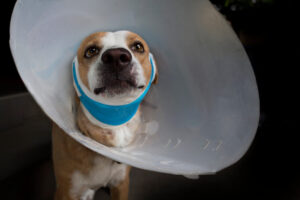
Understanding common surgical procedures for pets can help you be more prepared for when your furry friend needs surgical treatment.
When a veterinarian recommends surgery for your pet, it’s natural to feel anxious or uncertain. Understanding common surgical procedures for pets can help you feel more confident, prepared, and informed about what lies ahead. From routine operations to more complex interventions, modern veterinary surgery is designed to improve your pet’s health, comfort, and quality of life.
Why Pets May Need Surgery
Pets may require surgery for a variety of reasons, including preventive care, injury, illness, or chronic conditions. Some procedures are elective and planned, while others are urgent or lifesaving. Advances in veterinary medicine, anesthesia, and pain management have made surgery safer than ever for dogs and cats.
Knowing the purpose behind these procedures helps pet owners make informed decisions and provide proper post-operative care.
Spay and Neuter Surgery
Spaying and neutering are among the most common surgical procedures for pets. These routine operations prevent unwanted litters and offer several health and behavioral benefits.
Spaying female pets reduces the risk of uterine infections and certain cancers, while neutering males lowers the risk of testicular cancer and can help reduce roaming, aggression, and marking behaviors. These surgeries are typically performed at a young age but can also be done safely on adult pets.
Dental Surgery
Dental disease is extremely common in pets, especially as they age. When routine cleanings aren’t enough, dental surgery may be necessary to address painful or infected teeth.
Dental procedures often include tooth extractions, treatment of gum disease, and removal of infected tissue. Left untreated, dental issues can lead to serious complications affecting the heart, liver, and kidneys. Dental surgery helps relieve pain, improve breath, and support overall health.
Soft Tissue Surgery
Soft tissue surgery covers a wide range of procedures involving the skin, muscles, and internal organs. These are more common surgical procedures for pets and include operations such as mass removals, wound repairs, and gastrointestinal surgeries.
Lumps, tumors, or cysts may be removed to prevent growth, infection, or cancer progression. In some cases, exploratory surgery is performed to diagnose internal issues that can’t be identified through imaging alone.
Orthopedic Surgery
Orthopedic surgery addresses problems with bones, joints, ligaments, and tendons. These procedures are often recommended for pets with injuries or degenerative conditions that affect mobility and comfort.
Common orthopedic surgeries include repair of torn ligaments, fracture stabilization, and correction of joint abnormalities. While recovery may take longer than other surgeries, these procedures can significantly improve a pet’s ability to walk, run, and enjoy daily activities without pain.
Emergency and Trauma Surgery
Accidents and sudden medical emergencies sometimes require immediate surgical intervention. Emergency surgery may be needed for conditions such as internal bleeding, intestinal blockages, or severe wounds.
Although these situations can be stressful, prompt surgical care is often lifesaving. Veterinary teams are trained to stabilize pets quickly and perform surgery under urgent conditions while prioritizing safety and pain control.
What to Expect Before and After Surgery
Before surgery, your veterinarian will typically perform blood work and diagnostic tests to ensure your pet is healthy enough for anesthesia. You’ll receive instructions about fasting and medication prior to the procedure.
After surgery, proper recovery care is critical. This may include limiting activity, administering prescribed medications, monitoring incision sites, and attending follow-up appointments. Most pets recover well when post-operative instructions are followed closely.
Helping Your Pet Heal Comfortably
Understanding common surgical procedures for pets empowers you to be a proactive and supportive pet owner. Whether your pet needs a routine procedure or more advanced surgery, open communication with your veterinarian and attentive at-home care play a major role in a smooth recovery.
If you have questions or concerns about an upcoming procedure, don’t hesitate to ask your veterinary team. They’re there to help ensure the best possible outcome for your furry companion.
Trust Maryland Veterinary Surgical Services With Your Companion’s Health
Your companion’s health is important, and the team at MVSS is ready to provide the best care possible for your furry family. We are dedicated to combining comprehensive exams and assessments with informative and honest discussions of your companion’s care. Once we have worked with you to decide on the best course of action for your dog, our professionals will use their surgical expertise to work towards the goal of giving your companion an active and pain-free life. We are proud to serve loyal companions in Catonsville and Baltimore. To learn more about our services, give us a call at 410-788-4088 or visit us online. For more information and tips for dog health, follow us on Facebook and Pinterest.