
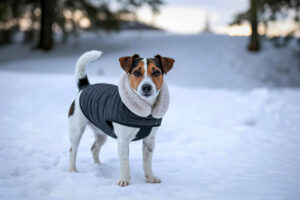
It’s critical to practice good dog safety in sub-zero weather to protect your furry friend.
The winter storm has brought some unique challenges and dangers for dog owners to navigate. Sub-zero weather can pose serious dangers to pets, including hypothermia, frostbite, and exposure to toxic winter chemicals. Understanding dog safety in sub-zero weather is essential for keeping your four-legged companion healthy, comfortable, and safe during the harshest weather.
Why Sub-Zero Weather Is Dangerous for Dogs
While some breeds are more cold-tolerant than others, no dog is immune to extreme winter conditions. Sub-zero temperatures can quickly overwhelm a dog’s ability to regulate body heat, especially during prolonged outdoor exposure.
Cold weather risks include:
- Hypothermia caused by prolonged exposure to freezing air
- Frostbite on ears, paws, tails, and noses
- Dehydration due to reduced water intake
- Chemical burns or poisoning from ice melts and antifreeze
Even large or double-coated dogs can be vulnerable when temperatures drop well below freezing, particularly if wind, snow, or moisture are involved.
Limit Outdoor Time in Extreme Cold
One of the most important rules for dog safety in sub-zero weather is limiting time outdoors. Short, supervised bathroom breaks are best when temperatures are dangerously low.
If your dog enjoys walks:
- Keep walks brief and purposeful
- Avoid lingering or playing in deep snow
- Watch closely for signs of discomfort, such as lifting paws or shivering
- Consider multiple short outings instead of one long walk
Puppies, senior dogs, and dogs with arthritis or health conditions are especially sensitive to cold and should spend as little time outdoors as possible.
Protect Paws from Ice, Salt, and Chemicals
A dog’s paws are particularly vulnerable in winter. Ice, snow, and deicing products can cause cracking, irritation, and chemical burns.
To protect your dog’s paws:
- Use dog booties to create a barrier from ice and salt
- Trim fur between paw pads to reduce ice buildup
- Apply pet-safe paw balm before walks
- Wipe paws thoroughly after every outing
Also, avoid areas heavily treated with road salt or ice melt whenever possible. Many deicing chemicals are toxic if ingested during paw licking.
Dress for the Weather When Necessary
Not all dogs need winter clothing, but many benefit from it in sub-zero conditions. Short-haired, small, or low-body-fat breeds often struggle to stay warm.
Winter gear to consider:
- Insulated dog coats or sweaters
- Waterproof outer layers for snowy or wet conditions
- Reflective gear for low-visibility winter walks
Proper clothing can significantly improve dog safety in sub-zero weather, especially during unavoidable outdoor exposure.
Watch for Signs of Hypothermia and Frostbite
Knowing the warning signs of cold-related injuries can make a life-saving difference.
Signs of hypothermia include:
- Intense shivering or weakness
- Lethargy or confusion
- Slowed breathing
- Pale gums
Signs of frostbite include:
- Pale, gray, or bluish skin
- Cold, brittle skin on ears, tail, or paws
- Pain or swelling once the area warms
If you notice any of these symptoms, bring your dog indoors immediately and contact a veterinarian. Never rub frostbitten areas, as this can cause further damage.
Keep Dogs Indoors and Provide Warm Shelter
Dogs should never be left outdoors in sub-zero temperatures for extended periods. Even dogs accustomed to being outside need protection from extreme cold.
Indoors, make sure your dog:
- Has a warm, draft-free sleeping area
- Is kept away from cold floors and windows
- Has access to fresh, unfrozen water at all times
If your dog must go outside briefly, ensure shelter is insulated, elevated, dry, and protected from wind, but remember, shelter alone is not enough in sub-zero conditions.
Beware of Antifreeze and Winter Toxins
Antifreeze is extremely dangerous to dogs, even in small amounts. Its sweet taste makes it especially tempting, and ingestion can be fatal.
To reduce risk:
- Clean up spills immediately
- Store antifreeze securely
- Choose pet-safe antifreeze when possible
- Prevent dogs from drinking from puddles or driveways
Winter rodenticides and ice melt products can also pose serious health risks, reinforcing the need for vigilance during cold months.
Prioritizing Dog Safety All Winter Long
Winter can be a magical time, but it also requires extra care for pet owners. By limiting outdoor exposure, protecting paws, dressing appropriately, and staying alert to cold-weather dangers, you can ensure your dog stays safe and comfortable even when temperatures fall below zero.
Practicing smart dog safety in sub-zero weather goes beyond keeping them comfortable and plays a role in protecting your dog’s health and well-being during the harshest conditions of the year. With preparation and awareness, you and your dog can make it safely through winter together.
Trust Maryland Veterinary Surgical Services With Your Companion’s Health
Your companion’s health is important, and the team at MVSS is ready to provide the best care possible for your furry family. We are dedicated to combining comprehensive exams and assessments with informative and honest discussions of your companion’s care. Once we have worked with you to decide on the best course of action for your dog, our professionals will use their surgical expertise to work towards the goal of giving your companion an active and pain-free life. We are proud to serve loyal companions in Catonsville and Baltimore. To learn more about our services, give us a call at 410-788-4088 or visit us online. For more information and tips for dog health, follow us on Facebook and Pinterest.