It’s very important for owners to be aware of foods that are dangerous to pets.
Understanding food safety for pets is essential for every responsible pet owner. Many common foods that humans enjoy can be toxic, or even fatal, to cats and dogs. Unfortunately, accidental exposure happens more often than you might think, especially during holidays, family gatherings, and busy meal-prep seasons. By learning which foods to avoid and what safe options you can offer instead, you can protect your furry companions and give them healthy treats they’ll love.
Why Food Safety for Pets Matters
When it comes to food safety for pets, prevention is key. Dogs and cats metabolize foods differently than people do. Ingredients that are perfectly harmless to humans may cause organ failure, seizures, digestive problems, or long-term health issues in animals. That’s why understanding these risks, and knowing safer substitutions, is so important.
Dangerous Foods for Pets (and Why They’re Harmful)
Chocolate
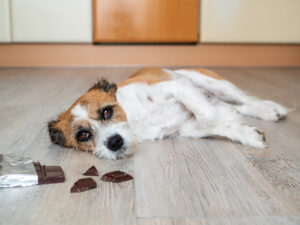
Chocolate contains theobromine and caffeine, which can cause rapid heart rate, tremors, and even seizures in pets. Dark chocolate and baking chocolate are especially dangerous.
Safe alternative:
Offer dog-safe carob treats or crunchy pet biscuits.
Grapes and Raisins
Even small amounts of grapes or raisins can lead to sudden kidney failure in dogs. Symptoms often include vomiting, lethargy, and reduced appetite.
Safe alternative:
Try blueberries, seedless apple slices, or bananas in small amounts.
Onions, Garlic, and Chives
Alliums can damage red blood cells and cause anemia in both dogs and cats. This includes cooked foods, powdered seasonings, and broths containing these ingredients.
Safe alternative:
Plain cooked meats or pet-safe bone broth with no seasonings.
Xylitol (Found in Sugar-Free Products)
Xylitol is extremely toxic to dogs, causing a rapid drop in blood sugar and potential liver failure. It’s found in gum, candy, peanut butter, baked goods, and even some toothpaste.
Safe alternative:
Choose unsweetened, pet-safe peanut butter or healthy dog treats made without artificial sweeteners.
Alcohol and Uncooked Dough
Alcohol and fermented dough can cause severe metabolic issues, disorientation, and difficulty breathing. Even small amounts pose serious risks.
Safe alternative:
Offer pet-friendly ice creams or frozen fruit purées made specifically for dogs or cats.
Cooked Bones
Cooked bones can splinter easily, leading to choking hazards or internal punctures. This applies to chicken, turkey, pork, and beef bones.
Safe alternative:
Provide veterinarian-approved chew toys or pet-safe treats specifically meant for supervised pet chewing.
Macadamia Nuts and Certain Other Nuts
Macadamia nuts are toxic to dogs, causing weakness, tremors, and overheating. Other nuts can also cause digestive upset or pose choking hazards.
Safe alternative:
Use pet-approved crunchy treats or small pieces of carrots for a satisfying chew.
Caffeine
Coffee, tea, energy drinks, and caffeine pills can be dangerous. Pets are far more sensitive to caffeine’s effects, which can lead to restlessness, rapid heartbeat, and seizures.
Safe alternative:
Plain water or hydrating pet-safe broths.
Dairy
Many pets are lactose intolerant. Milk, cheese, and ice cream can cause gas, diarrhea, and stomach discomfort.
Safe alternative:
Look for lactose-free pet treats or frozen yogurt designed for dogs.
Fatty Foods and Table Scraps
Greasy, salty, or heavily seasoned foods can trigger pancreatitis, a painful and potentially life-threatening condition.
Safe alternative:
Lean cooked proteins like plain chicken, turkey, or salmon—offered sparingly.
Healthy, Pet-Safe Foods Your Animals Can Enjoy
When practicing food safety for pets, it’s just as important to know what they can have. Many whole foods are healthy, nutritious, and safe in moderation.
Safe Fruits for Pets
- Blueberries
- Seedless watermelon
- Apples (without seeds)
- Bananas
- Strawberries
Safe Vegetables for Pets
- Carrots
- Green beans
- Sweet potatoes (cooked and plain)
- Peas
- Cucumbers
Safe Proteins for Pets
- Plain chicken or turkey
- Lean beef
- Salmon or sardines (boneless)
- Cooked eggs (no seasoning)
Vet-Formulated Treats
Specially designed treats, dental chews, and training snacks are the safest way to reward your pet regularly.
Tips to Improve Food Safety for Pets at Home
- Store dangerous foods out of reach.
- Avoid feeding pets table scraps, no matter how tempting it is.
- Educate family members on unsafe foods.
- Check ingredient labels, especially on peanut butter or baked goods.
- Contact your vet immediately if your pet consumes something harmful. Quick action saves lives.
Stay Vigilant
Maintaining food safety for pets isn’t complicated once you know what foods are off-limits and which treats provide a healthier alternative. By keeping harmful items out of reach, choosing species-appropriate snacks, and staying informed, you can protect your dog or cat and give them the safe, enjoyable diet they deserve.
Trust Maryland Veterinary Surgical Services With Your Companion’s Health
Your companion’s health is important, and the team at MVSS is ready to provide the best care possible for your furry family. We are dedicated to combining comprehensive exams and assessments with informative and honest discussions of your companion’s care. Once we have worked with you to decide on the best course of action for your dog, our professionals will use their surgical expertise to work towards the goal of giving your companion an active and pain-free life. We are proud to serve loyal companions in Catonsville and Baltimore. To learn more about our services, give us a call at 410-788-4088 or visit us online. For more information and tips for dog health, follow us on Facebook and Pinterest.