
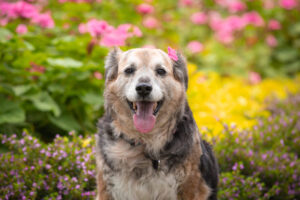
Surgery aftercare for older pets requires some extra TLC to ensure that they recover safely.
As pets age, their bodies don’t recover from surgery as quickly as they once did. Whether your senior dog or cat has undergone a routine procedure or a more complex operation, proper post-operative care is essential for a safe and comfortable recovery. Understanding the unique needs of older animals can make all the difference. In this guide, we’ll walk you through surgery aftercare for older pets to help them heal properly and get back to their normal routines.
Why Older Pets Need Extra Care After Surgery
Senior pets often have slower healing times due to decreased immune function, reduced mobility, and potential underlying health conditions such as arthritis, diabetes, or heart disease. These factors can increase the risk of complications like infections, delayed wound healing, or stress-related setbacks.
That’s why following targeted surgery aftercare for older pets is crucial. Not just for recovery, but for their overall well-being.
Create a Comfortable Recovery Space
One of the most important steps in post-surgical care is providing a quiet, comfortable place for your pet to rest.
Choose a low-traffic area of your home where your pet won’t be disturbed. Make sure bedding is soft but supportive, especially for pets with joint pain. Keep food, water, and favorite items within easy reach to minimize movement.
Older pets may struggle with stairs or jumping, so consider using ramps or confining them to a single level of your home during recovery.
Monitor Pain and Medication Closely
Pain management is critical for older pets. They may not always show obvious signs of discomfort, so it’s important to follow your veterinarian’s medication schedule carefully.
Watch for subtle signs of pain, such as decreased appetite, restlessness, panting, or reluctance to move. Never adjust medication dosages without consulting your vet, as older pets can be more sensitive to certain drugs.
Consistent and careful monitoring is a key part of effective surgery aftercare for older pets.
Keep a Close Eye on the Surgical Site
Inspect your pet’s incision daily for any signs of redness, swelling, discharge, or unusual odor. Older pets are more prone to infections, so early detection is essential.
Prevent your pet from licking or chewing the incision by using an e-collar (cone) or a recovery suit if recommended. Even minor irritation can lead to complications.
If you notice anything unusual, contact your veterinarian right away.
Carefully Support Mobility
While rest is important, gentle movement can help prevent stiffness and improve circulation. However, older pets require a careful balance between activity and rest.
Follow your veterinarian’s recommendations regarding short, controlled walks or limited movement. Avoid high-impact activities like running, jumping, or playing until your pet is fully healed.
For pets with mobility challenges, consider supportive harnesses or non-slip mats to help them move safely.
Adjust Nutrition for Healing
Proper nutrition plays a major role in recovery, especially for senior pets. They may need a diet that supports healing while being easy to digest.
Ensure your pet is eating regularly and staying hydrated. If their appetite is reduced, try offering smaller, more frequent meals or slightly warming their food to enhance aroma.
In some cases, your veterinarian may recommend supplements to support joint health or immune function.
Watch for Behavioral Changes
Behavioral changes can be an early sign that something isn’t right. Older pets may become more withdrawn, anxious, or irritable after surgery.
Keep a close eye on their mood, sleep patterns, and interactions. Providing reassurance, gentle attention, and a calm environment can help reduce stress and promote healing.
Attend Follow-Up Appointments
Follow-up visits are essential to ensure your pet is healing properly. Your veterinarian will check the incision, remove sutures if needed, and assess overall recovery.
Don’t skip these appointments, even if your pet seems to be doing well. Regular check-ins are a vital part of surgery aftercare for older pets and help catch potential issues early.
Safe Recovery is Essential for Older Pets
Caring for a senior pet after surgery requires patience, attention, and a proactive approach. By creating a safe recovery environment, managing pain effectively, monitoring healing closely, and supporting your pet’s physical and emotional needs, you can significantly improve their recovery experience.
These surgery aftercare tips for older pets are designed to help you navigate the post-surgical period with confidence and compassion. When in doubt, always consult your veterinarian. They are your best partner in ensuring your pet’s health and comfort.
Trust Maryland Veterinary Surgical Services With Your Companion’s Health
Your companion’s health is important, and the team at MVSS is ready to provide the best care possible for your furry family. We are dedicated to combining comprehensive exams and assessments with informative and honest discussions of your companion’s care. Once we have worked with you to decide on the best course of action for your dog, our professionals will use their surgical expertise to work towards the goal of giving your companion an active and pain-free life. We are proud to serve loyal companions in Catonsville and Baltimore. To learn more about our services, give us a call at 410-788-4088 or visit us online. For more information and tips for dog health, follow us on Facebook and Pinterest.