
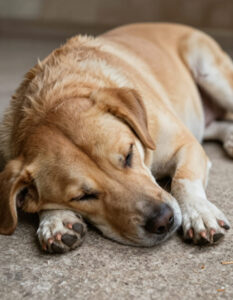
What are the risks of allowing your pet to engage in too much activity after surgery?
When your pet undergoes surgery, whether it’s a spay or neuter, orthopedic procedure, or removal of a mass, the recovery process is just as important as the operation itself. As a loving pet owner, you want your furry friend to bounce back quickly, but encouraging too much activity after surgery can lead to serious complications. Understanding why rest is vital and how to manage post-surgery energy levels will help your pet heal safely and fully.
Why Rest Is Crucial After Surgery
Following surgery, your pet’s body needs time to repair tissues, close incisions, and recover from anesthesia. Movement increases blood flow and strain on healing areas, which can interfere with this process. Just like humans, pets benefit from limited movement and controlled exercise to avoid reopening wounds or causing new injuries.
Even if your pet seems eager to play or resume normal activity, it doesn’t mean they’re ready. Pain medications and the natural desire to return to routine can mask discomfort and make it easy to overdo it.
Common Risks of Too Much Activity After Surgery
Incision Site Complications
Running, jumping, or playing too soon can cause sutures to stretch, loosen, or tear. This may lead to bleeding, infection, or the wound reopening entirely. If the incision splits, it could require additional surgery to correct.
Internal Bleeding or Swelling
Excessive movement after internal procedures—such as spay or neuter surgeries—can increase internal pressure and lead to bleeding or fluid buildup. These complications can cause pain, delayed healing, and sometimes life-threatening situations.
Infection Risk
Too much movement can expose the incision to dirt, saliva, or other contaminants. Pets that lick or chew at their stitches while being active can easily introduce bacteria, causing infection and inflammation.
Delayed Healing
When pets engage in too much activity after surgery, it can slow down the body’s natural recovery. The extra strain diverts energy from healing tissues to support unnecessary physical activity, prolonging the overall recovery timeline.
Suture or Implant Failure
For orthopedic or joint surgeries, restricted movement is critical. Jumping or running can cause plates, screws, or sutures to fail, leading to significant setbacks and the possibility of another surgery.
How to Prevent Too Much Activity After Surgery
Follow Your Veterinarian’s Instructions
Every surgery and pet is different. Always follow your veterinarian’s guidelines regarding rest, activity, and incision care. If you’re unsure when to reintroduce walks or playtime, ask for clarification before assuming your pet is ready.
Use a Crate or Small Room for Rest
Limiting space helps your pet stay calm and reduces the temptation to move too much. Crates, pens, or small rooms with soft bedding provide a safe environment for recovery.
Keep Walks Short and Controlled
If your veterinarian approves walks, keep them brief and use a leash at all times. Avoid stairs, running, or contact with other animals until you receive clearance from your vet.
Prevent Licking and Chewing
Use an Elizabethan collar (cone) or recovery suit to keep your pet from disturbing the incision site. Licking can introduce bacteria and cause wounds to reopen.
Provide Mental Stimulation
To keep your pet from becoming restless, offer low-activity enrichment like puzzle feeders, lick mats, or just snuggle with them on the couch and pet them. These activities engage your pet’s mind without putting stress on their body.
Signs Your Pet May Be Doing Too Much
If you notice any of these symptoms, contact your veterinarian right away:
- Swelling, redness, or bleeding at the incision site
- Limping or sensitivity when touched
- Lethargy, loss of appetite, or vomiting
- Licking or chewing excessively at stitches
- Sudden changes in behavior or energy levels
Protect Your Pet’s Health With a Good Post-Surgery Plan
Letting your pet do too much activity after surgery might feel harmless—especially when they seem full of energy—but it can undo all the progress made during their operation. Rest, supervision, and patience are the best ways to ensure a full recovery. Always err on the side of caution and work closely with your veterinarian to create a safe post-surgical plan. With the right care and time to heal, your pet will be back to their happy, healthy self before you know it.
Trust Maryland Veterinary Surgical Services With Your Companion’s Health
Your companion’s health is important, and the team at MVSS is ready to provide the best care possible for your furry family. We are dedicated to combining comprehensive exams and assessments with informative and honest discussions of your companion’s care. Once we have worked with you to decide on the best course of action for your dog, our professionals will use their surgical expertise to work towards the goal of giving your companion an active and pain-free life. We are proud to serve loyal companions in Catonsville and Baltimore. To learn more about our services, give us a call at 410-788-4088 or visit us online. For more information and tips for dog health, follow us on Facebook and Pinterest.