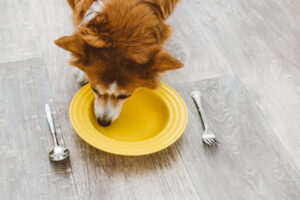
Wondering why your pet isn’t allowed to eat before surgery? It’s actually very important!
If your veterinarian has told you that your pet is not allowed to eat before surgery, you might be wondering why. It can feel stressful to withhold food, especially when your dog or cat gives you those hungry eyes. However, fasting before anesthesia is a critical safety measure that protects your pet during surgery. We are going to explain exactly why your pet is not allowed to eat before surgery, how long fasting should last, and what happens if your pet accidentally eats.
Why Is My Pet Not Allowed to Eat Before Surgery?
The main reason your pet is not allowed to eat before surgery is to prevent a dangerous complication called aspiration.
When pets undergo surgery, they are placed under anesthesia. Anesthesia relaxes the muscles and suppresses reflexes, including the reflex that prevents vomiting and keeps stomach contents from entering the lungs.
If your pet has food in their stomach:
- They may vomit while under anesthesia
- Food or liquid can enter the lungs
- This can cause aspiration pneumonia, a serious and potentially life-threatening condition
Fasting significantly reduces this risk and helps ensure a smooth, safe surgical procedure.
What Is Aspiration Pneumonia?
Aspiration pneumonia occurs when food, water, or stomach acid enters the lungs. This can lead to:
- Severe lung inflammation
- Infection
- Difficulty breathing
- Extended hospitalization
Preventing aspiration is one of the most important reasons your pet is not allowed to eat before surgery.
How Long Should My Pet Fast Before Surgery?
Fasting guidelines may vary slightly depending on your veterinarian and your pet’s age or medical condition, but general recommendations include:
For Adult Dogs and Cats:
- No food for 8–12 hours before surgery
- Water may be allowed until a few hours before (confirm with your vet)
For Puppies and Kittens:
- Shorter fasting periods (often 4–6 hours)
- Young pets are more prone to low blood sugar
Pets with Medical Conditions:
- Diabetic pets or those with special health needs may require customized instructions
Always follow your veterinarian’s specific directions. They will tailor fasting instructions to your pet’s individual needs.
What Happens If My Pet Eats Before Surgery?
If your pet accidentally eats when they are not allowed to eat before surgery, call your veterinarian immediately.
Depending on the situation:
- The procedure may be delayed
- The surgery may be rescheduled
- Additional precautions may be taken
It’s always best to inform your vet. Your pet’s safety is the top priority.
Can My Pet Drink Water Before Surgery?
In many cases, small amounts of water are allowed until a few hours before the procedure. However, this depends on:
- The type of surgery
- Your pet’s health condition
- Your veterinarian’s protocol
When in doubt, confirm with your vet. Never assume water is automatically permitted.
Why Fasting Is So Important for Anesthesia Safety
Modern veterinary anesthesia is very safe, but fasting remains an essential precaution. When your pet is not allowed to eat before surgery, it helps:
- Reduce nausea and vomiting
- Lower the risk of aspiration
- Improve anesthesia control
- Shorten recovery time
- Increase overall surgical safety
Think of it as a simple but powerful step to protect your furry companion.
Tips to Make Pre-Surgery Fasting Easier
Withholding food can be challenging, especially if you have multiple pets. Here are some helpful tips:
- Feed all pets separately the night before
- Remove food bowls before bedtime
- Keep pets indoors to prevent scavenging
- Inform all family members about the fasting rule
- Store treats out of reach
Planning ahead reduces the risk of accidental feeding.
Is It Cruel to Withhold Food Before Surgery?
It may feel uncomfortable, but short-term fasting is not harmful for healthy pets. In fact, it’s far safer than allowing them to eat and risking complications. Your veterinarian recommends fasting because they care about your pet’s well-being, not to cause discomfort.
Although it may be tough to say no to your furry companion, remember that this temporary restriction plays a major role in protecting your pet’s health.
Trust Maryland Veterinary Surgical Services With Your Companion’s Health
Your companion’s health is important, and the team at MVSS is ready to provide the best care possible for your furry family. We are dedicated to combining comprehensive exams and assessments with informative and honest discussions of your companion’s care. Once we have worked with you to decide on the best course of action for your dog, our professionals will use their surgical expertise to work towards the goal of giving your companion an active and pain-free life. We are proud to serve loyal companions in Catonsville and Baltimore. To learn more about our services, give us a call at 410-788-4088 or visit us online. For more information and tips for dog health, follow us on Facebook and Pinterest.