
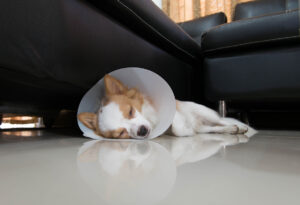
Good wound monitoring and cleaning for pets after surgery ensures a faster and less painful healing process.
Post-surgical care is one of the most important responsibilities pet owners take on after their dog or cat returns home from the veterinary clinic. Proper wound monitoring and cleaning after veterinary surgery helps prevent infections, speeds up recovery, and ensures that your pet stays comfortable throughout the healing process. Whether your pet has undergone a routine spay or neuter, mass removal, orthopedic procedure, or another type of surgery, following your veterinarian’s instructions is crucial for a safe and successful recovery.
Why Post-Surgical Wound Care Matters
Even when a surgical procedure goes smoothly, pets can experience complications afterward if the incision is not properly cared for. Bacteria, excessive moisture, licking, scratching, and vigorous activity can all disrupt the healing process. With attentive monitoring and gentle wound cleaning, you can significantly reduce risks such as:
- Infection
- Swelling and inflammation
- Opening of the incision (dehiscence)
- Delayed healing
- Pain or discomfort for your pet
A healthy incision will heal quickly and cleanly, but that starts with daily observation and good hygiene.
How to Monitor Your Pet’s Surgical Wound
Keeping an eye on your pet’s incision every day is a simple but powerful way to ensure everything is healing normally. Here’s what to look for:
Normal Signs of Healing
- Slight swelling around the incision the first few days
- A small amount of redness
- Minimal clear or slightly blood-tinged discharge
- A dry appearance as healing progresses
Warning Signs to Report to Your Veterinarian
Contact your veterinary team immediately if you notice any of the following:
- Excessive swelling or bulging along the incision
- Redness that worsens over time
- Thick, yellow, green, or foul-smelling discharge
- Bleeding that continues
- Gaps, openings, or missing sutures
- Heat around the incision
- Your pet refusing to eat, seeming lethargic, or running a fever
- Persistent licking or scratching despite using an e-collar or medical garment
These signs may indicate infection, irritation, or another complication requiring prompt veterinary care.
Tips for Cleaning Your Pet’s Surgical Wound
Many surgical sites should be kept dry and clean without direct scrubbing, but your veterinarian may instruct you to perform gentle cleaning. Always follow their specific instructions, but here are general guidelines:
Use Only Vet-Approved Cleaning Solutions
Typically, these include:
- Diluted chlorhexidine solution
- Veterinarian-recommended saline solution (avoid hydrogen peroxide or alcohol unless your vet specifically approves them, as they can damage healthy tissue and slow healing)
Clean Gently and Carefully
- Wash your hands before and after cleaning.
- Use a clean gauze pad or cotton square.
- Gently dab the area rather than rubbing.
- Remove crusted discharge only if instructed.
- Ensure the wound stays dry afterward.
Keep the Area Dry and Protected
Prevent exposure to dirt, moisture, lawn debris, and other contaminants. If your pet goes outside, avoid wet grass, mud, or high-activity areas that could irritate the incision.
Preventing Your Pet from Licking or Scratching
Pets naturally try to groom or scratch at their incision, but this can quickly cause complications. To keep the surgical site safe:
- Use an e-collar (cone), inflatable collar, or a recovery suit.
- Trim nails to prevent accidental scratching.
- Supervise your pet closely during the first 10–14 days.
If your pet continues to disturb the incision, contact your veterinarian—they may recommend a different protective option or prescribe medication to ease discomfort.
Managing Your Pet’s Activity During Recovery
Limiting movement is just as important as wound care. Too much running, jumping, or rough play can cause sutures to tear or internal tissues to reopen. Follow your veterinarian’s guidelines, which often include:
- Short, leashed bathroom breaks only
- No jumping on furniture
- No off-leash play
- Crate rest or confined spaces when unsupervised
- Gradual return to normal activity after clearance by the vet
Follow-Up Appointments and When to Call Your Veterinarian
Post-surgical check-ups are essential for verifying that healing is progressing properly. Your veterinarian will examine the incision, remove sutures or staples if needed, and ensure that your pet is recovering without complications.
Contact your veterinary clinic right away if you notice unusual swelling, pain, discharge, or changes in behavior. Early intervention helps prevent bigger problems later.
Wound Care is Essential
Wound monitoring and cleaning after veterinary surgery plays a vital role in helping your pet recover safely and comfortably. By watching the incision closely, following cleaning instructions, limiting activity, and keeping your pet from irritating the site, you can support a smooth healing process. If you ever feel unsure, your veterinarian is your best resource—never hesitate to reach out with questions or concerns.
Trust Maryland Veterinary Surgical Services With Your Companion’s Health
Your companion’s health is important, and the team at MVSS is ready to provide the best care possible for your furry family. We are dedicated to combining comprehensive exams and assessments with informative and honest discussions of your companion’s care. Once we have worked with you to decide on the best course of action for your dog, our professionals will use their surgical expertise to work towards the goal of giving your companion an active and pain-free life. We are proud to serve loyal companions in Catonsville and Baltimore. To learn more about our services, give us a call at 410-788-4088 or visit us online. For more information and tips for dog health, follow us on Facebook and Pinterest.